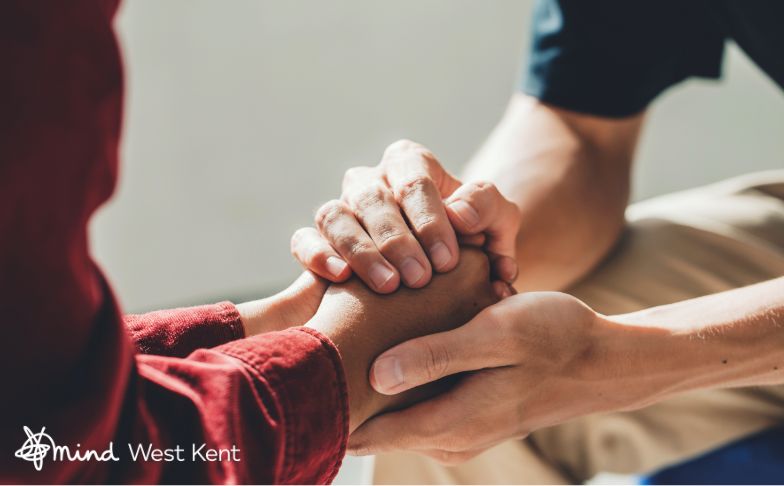
Every chat, no matter how small, contributes to a supportive and understanding society.
Trigger Warning: This post discusses sensitive topics related to mental health and suicide.
The Annual Office for National Statistics recently released figures that stated that suicide rates in England and Wales had reached their highest level since 1999. These figures represent real people, with real family and friends. They are more than just a statistic.
This World Suicide Prevention Day, we want you to reflect on the significant role language plays in mental health and encourage you to start the conversation on suicide and suicide prevention.
To hear our Training & Development Manager, Ceri Hodgkiss discussing this in more depth please see the videos below.
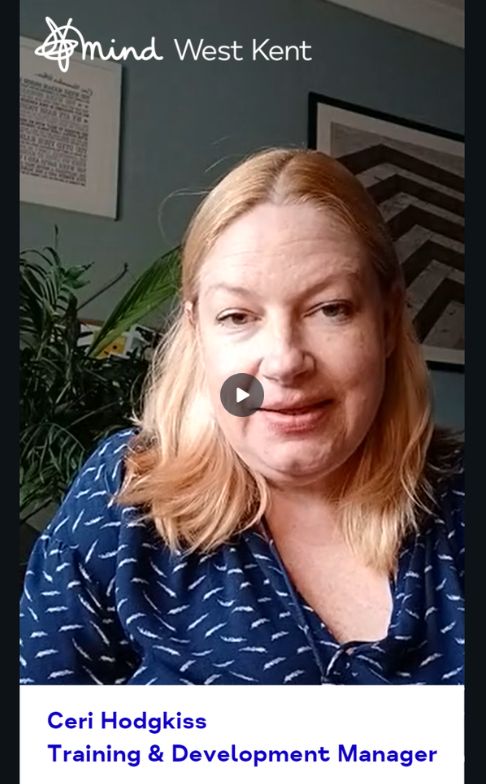
World Suicide Prevention Day
Join the conversation: video 1
World Suicide Prevention Day
Join the conversation: video 2
World Suicide Prevention Day
Join the conversation: video 3
World Suicide Prevention Day
Join the conversation: video 4
Why Language Matters
The words we choose when discussing mental health and suicide can have a profound impact. Stigmatising language, such as phrases like “committed suicide,” can reinforce negative connotations and deepen the pain of those affected. Instead, using terms like “died by suicide” helps to remove blame and acknowledges the complexity of mental health struggles.
By choosing our words carefully, we can encourage a more understanding and compassionate environment. When we speak openly and respectfully about mental health, we create a space where individuals feel safe to share their experiences and seek help without fear of judgment.
Join the Conversation
On this World Suicide Prevention Day, let’s change the conversation around mental health. By being mindful of our language, we can contribute to a culture of empathy, support, and hope. Together we can make a difference. Together we can shift the culture of silence and stigma to one of openness, understanding and support.